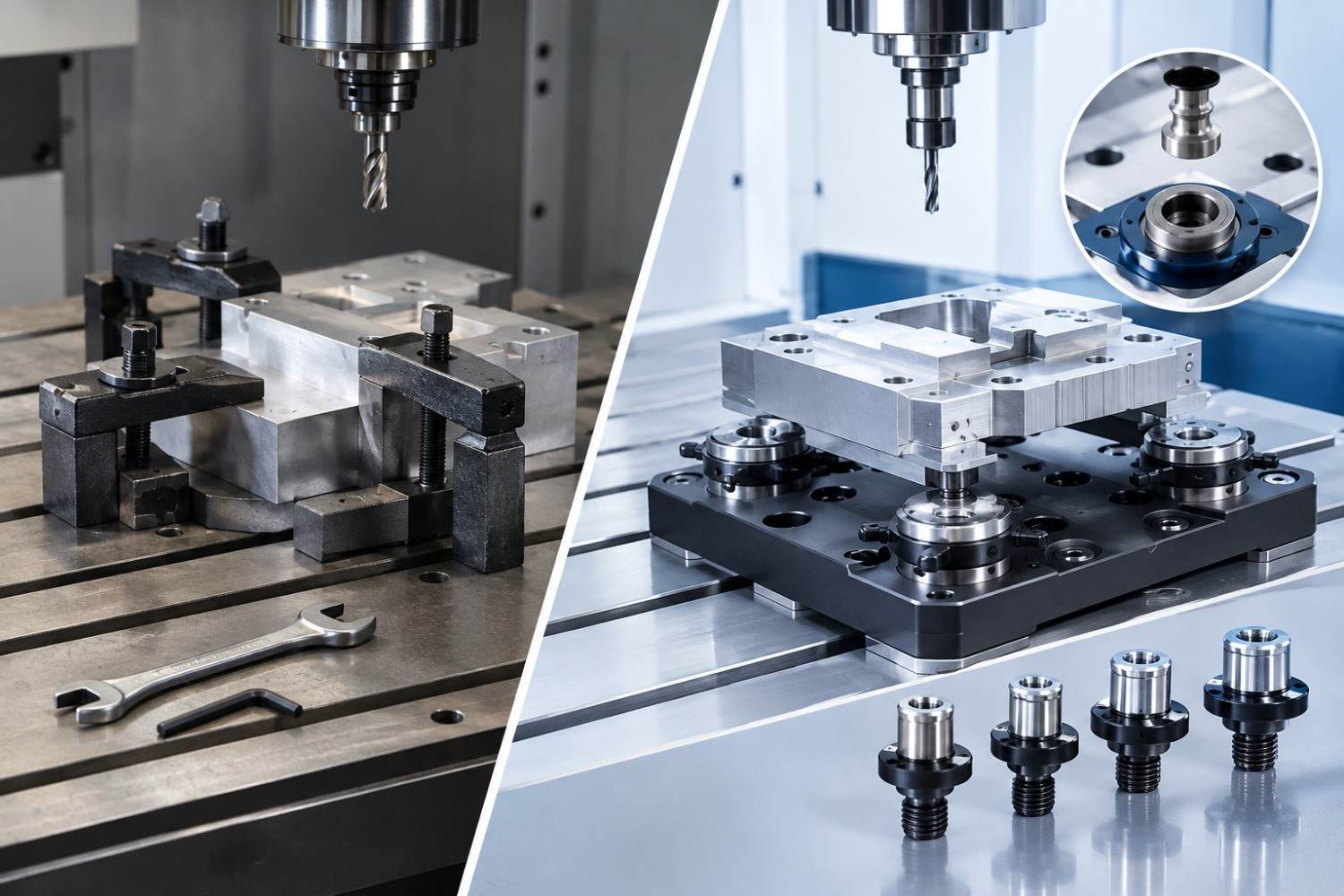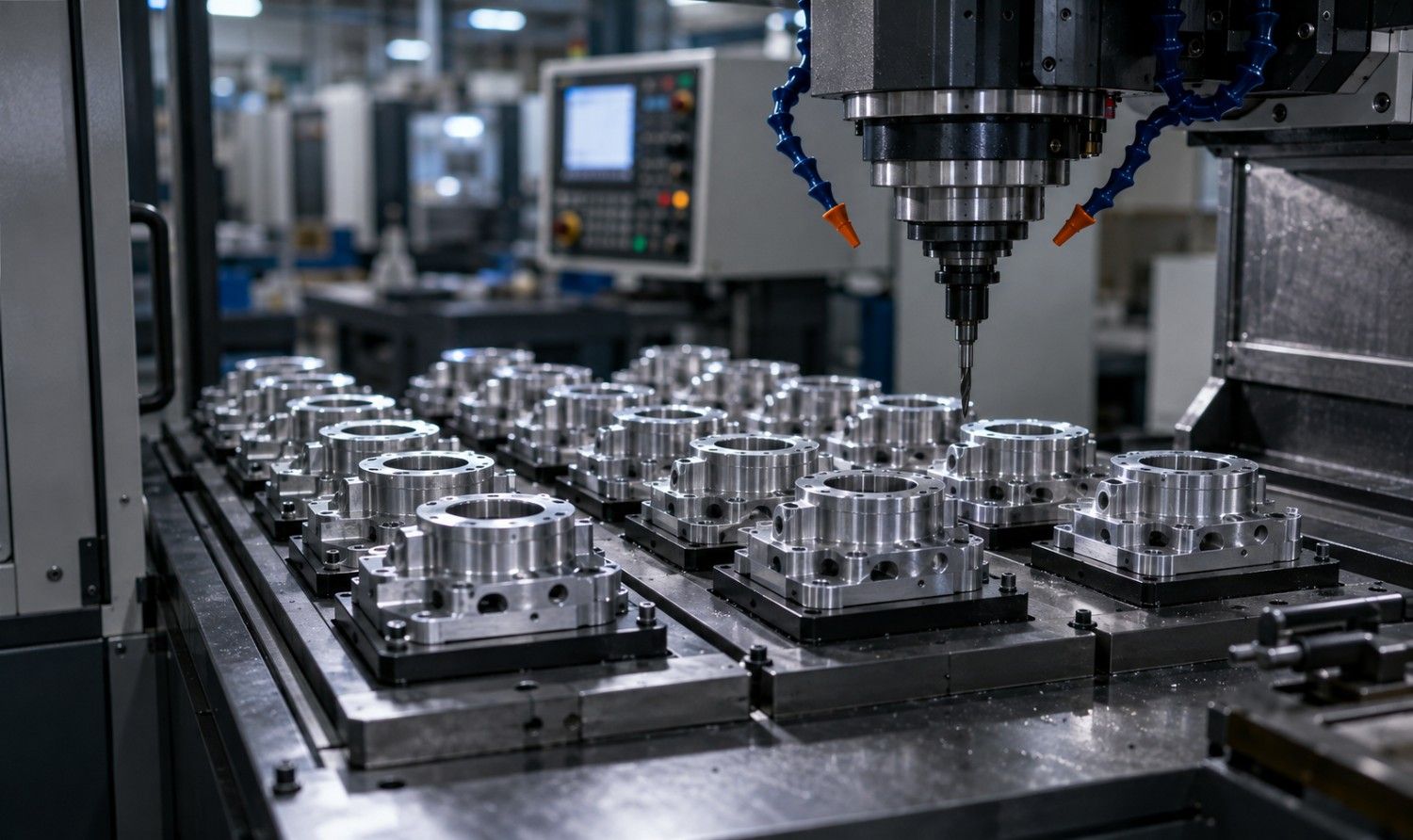
Why Repeatability is Critical in Precision Manufacturing?
- Home
- /
- Why Repeatability is Critical in Precision Manufacturing?
Repeatability is the ability of a process, tool or machine to produce the same result or measurement repeatedly, with other conditions being kept unchanged. Repeatable processes can be useful in ensuring accuracy, at all stages, whether while manufacturing components for automotive, medical, aerospace, electronics or industrial equipment. Know about some of the biggest reasons why repeatability is critical in modern precision manufacturing.
In this article
Maintains Consistent Product Quality
Repeatability ensures consistency in quality. When components are repeatedly produced within the required specifications, each component can have the same performance and dimensional standards. It ensures that there is no variation between batches. Consumers can get products with similar quality.
Reduces Defects and Production Errors
If there is variation in manufacturing, there can be problems like:
- Defective components,
- Inspection failure, and
- Rejection of entire batches
A highly repeatable process minimizes unexpected differences between parts. It can also make it easier to identify unusual results. In case a machine begins producing measurements outside the normal range, potential issues such as calibration problems, tool wear or material changes can be investigated before they lead to defects in products.
Minimizes Material Waste and Scrap
Precision manufacturing often involves:
- Costly raw materials,
- Specialized tooling, and
- Well-regulated production environments
Due to repeatability, machines can achieve the desired dimensions consistently. It can be easier to reduce scrap significantly and components can be produced correctly during the very first time. There can be reduced loss of materials due to inaccurate drilling, cuts, forming or machining. Resources can be used much better and more sustainable manufacturing practices can be supported.
Reduces Rework and Production Costs
Additional machining, adjustment or inspection may be required for out-of-tolerance components. In some cases, full replacement is necessary. Such rework leads to wastage of machine time, labor and energy. There can be potential delay in production schedules.
With repeatable processes, such issues can be prevented. It is possible to produce acceptable parts consistently. Due to this reason, manufacturers can streamline workflows. It can reduce needless labor. The overall cost of production can be lowered as well.
Enables Seamless Assembly and Interchangeability
Modern manufacturing often relies on components fitting together, with no need for manual adjustment. Repeatability makes this possible. It can ensure consistent dimensions even when components are manufactured at different times.
In large-scale production, interchangeable components are particularly vital. Any well-made part can easily fit into the final assembly. There is no need for custom matching. Manufacturers can boost production volume as well as maintain efficiency in assembly operations.
Improves Production Planning and Supply Chains
When manufacturing processes are more reliable, it can make production schedules more predictable. There can be better inventory management, procurement, assembly and deliveries within specified timelines.
Automated manufacturing systems are also supported by repeatability. Automated assembly equipment and robots require components with consistent features and dimensions. Even if there are small variations, automated operations can get disrupted. It can lead to delays and even stoppage of work.
Supports Compliance and Builds Customer Trust
Many industries, including aerospace, automotive and medical manufacturing, often work under strict quality and safety requirements. Repeatable processes help manufacturers to show that their production systems are regulated properly and can come with the necessary specifications.
Consistent results also support:
- Reliable testing,
- Documentation,
- Certification, and
- Auditing
Once customers understand that a manufacturer can deliver components repeatedly, as per required specifications, they feel more confident about the products.
It is easy to understand why repeatability is essential. It helps to manufacture identical parts, which is important for reliable precision manufacturing. There can be better regulatory compliance and can make customers feel more confident. At a time when manufacturing is becoming more and more automated and precision-driven, repeatability is indispensable for scalable, efficient and reliable production.
Frequently Asked Questions
What is repeatability in precision manufacturing?
Repeatability is the ability of a machine, tool or manufacturing process to produce the same result repeatedly under the same operating conditions. It helps maintain consistent dimensions, positioning and product quality.
What is the difference between accuracy and repeatability?
Accuracy refers to how close a result is to the intended or target value. Repeatability refers to how consistently the same result can be achieved over multiple production cycles.
Why is repeatability important in CNC machining?
Repeatability helps CNC machines produce components with consistent dimensions and quality. It can reduce variation, minimize defects, lower rework and support more efficient production.
How does repeatability reduce manufacturing costs?
A highly repeatable manufacturing process can reduce scrap, material waste, rejected parts and rework. It also helps manufacturers use machine time, labor and resources more efficiently.
Can workholding systems improve repeatability?
Yes. Precision workholding systems can help position and secure components consistently during machining. Reliable clamping and positioning solutions can reduce setup variation and support faster, more repeatable production cycles.
Table Of Contents
Recent Posts
5-Axis CNC Machining: How Advanced Tooling and Workholding Improve Precision?
30 Sep 2026
CNC Workholding Systems Market in 2026: Size, Trends & Future Growth
29 Sep 2026
Lights-Out CNC Machining: How Automated Workholding Enables Unattended Production?
28 Sep 2026
5 Reasons Your Fixture Is Not Delivering Consistent Results
17 Sep 2026