Questions to Ask Before Buying Industrial Clamping Equipment
- Home
- /
- Questions to Ask Before Buying Industrial Clamping Equipment
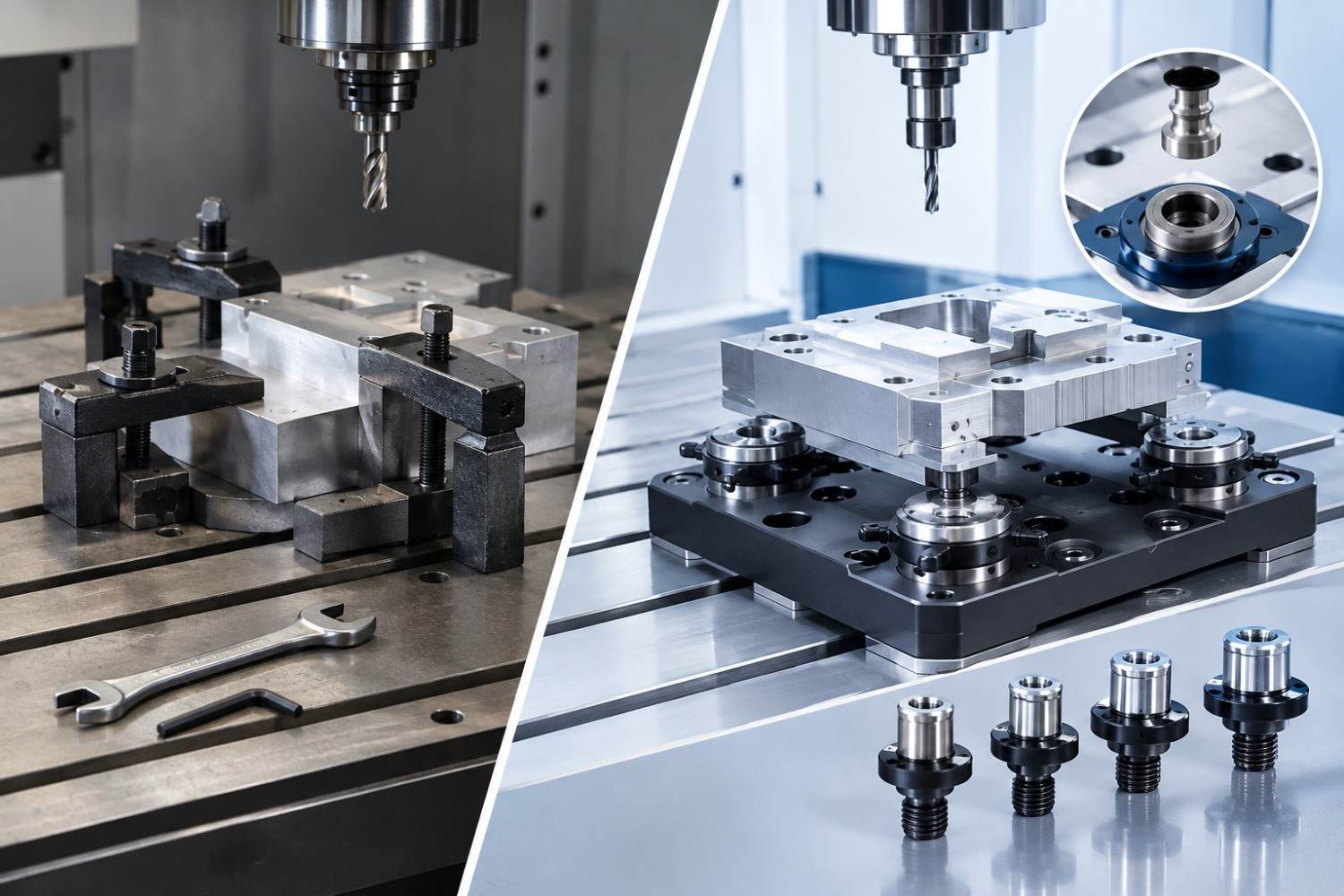
When it comes to manufacturing, assembly, fabrication, machining and other production environments, industrial clamping equipment is highly important. With the right system, it can be easy to improve accuracy, stability and safety in workplace. The wrong ones, however, can lead to equipment failure, damaged workpieces, slipping and expensive downtime for businesses. Naturally, before purchasing industrial clamping equipment it is essential to consider all these important questions.
How Much Clamping Force Do You Need?
It is important to ask how much force will actually be needed for the application. The clamping system needs to offer enough pressure. It can keep the workpiece much more secure, at all times during the operation. There is no risk of structural damage or deformation.
It is essential to consider the weight, size, material and shape of the workpiece. The forces generated during forming, machining or assembly must also be taken into account. If equipment with insufficient force capacity is chosen, it can lead to workpiece movement and inferior production quality. However, delicate components can be damaged due to excessive force. Naturally, it is essential to match the pressure output of the equipment to the specific application.
Which Actuation System Fits Your Production Cycle?
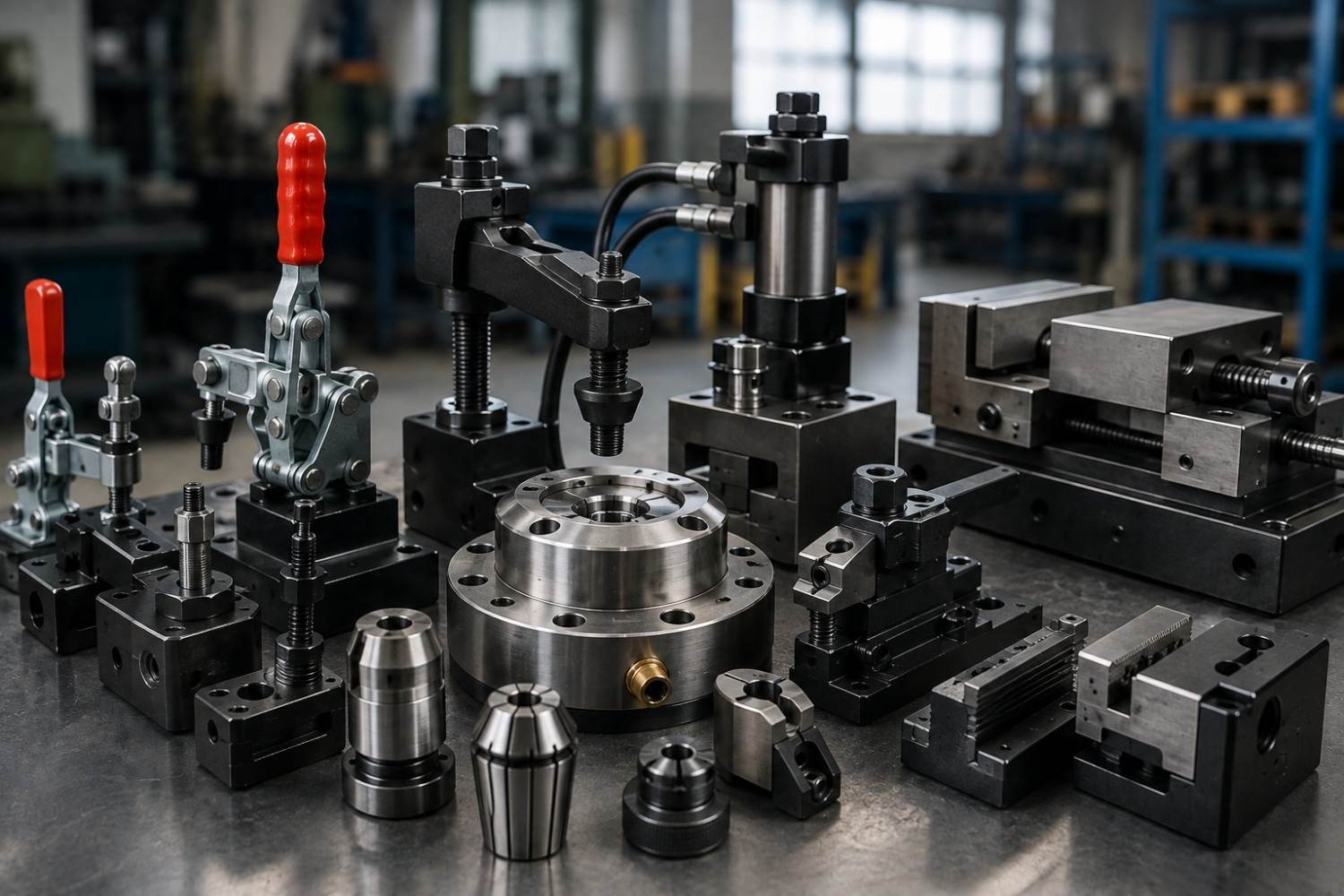
Industrial clamping systems may use:
- Pneumatic,
- Hydraulic,
- Mechanical, or
- Electromechanical actuation
There are specific advantages of using each option. It is essential to consider the production cycle as well as the level of control that is required.
Often, pneumatic systems are appropriate for all those applications that need fast, repetitive clamping cycles. It is possible to get enough force from hydraulic equipment. It is especially useful for metal forming and other heavy-duty operations.
Accurate programmable control can be obtained from electromechanical systems, for automated production processes. On the other hand, mechanical solutions are advantageous for their reliability and simplicity.
Does the Jaw or Contact Design Suit the Workpiece?
It is necessary to consider the contact surface. Business owners need to think whether the fixture, pad, jaw or contact mechanism is suitable for the hardness, size, shape and surface profile of the workpiece.
If contact design is matched in a poor manner, it may leave marks. There can be uneven pressure. The component may not be held securely either. While handling sensitive or finished parts, protective contact surfaces or specialized jaw materials may be needed.
Can It Handle Your Operating Environment?
The service life and performance of clamping equipment can significantly be affected by environmental conditions. It is necessary to determine whether the equipment will get exposed to high temperatures, corrosive chemicals, oils, dust or moisture.
Specialized seals may be needed for demanding environments, corrosion-resistant components, protective coatings or stainless-steel construction. Before installation, the chemical resistance limits and temperature of the equipment must also be asked about.
What Happens If Power or Pressure Is Lost?
While choosing clamping equipment, safety needs to be a top priority. It is essential to ask how the system will behave if electrical power, hydraulic pressure, pneumatic pressure or any other energy source fails suddenly.
Based on the application, to prevent the workpiece from getting loose, it might be necessary to get fail-safe features such as:
- Brakes,
- Self-locking wedges, or
- Mechanical backup mechanisms,
Equipment damage and worker injuries can be prevented by understanding how the system will behave in case of an unexpected shutdown.
Does It Meet Relevant Standards and Certifications?
Before purchasing, it is essential to confirm that the equipment meets applicable safety requirements, industry standards and relevant certifications. A reliable clamping equipment manufacturer should be able to provide the necessary documentation and certifications for the intended market and application. This helps support regulatory compliance and makes internal safety reviews much simpler.
By asking these important questions before purchase, businesses can choose clamping systems that perform reliably, keep workers safe and deliver long-term value without unnecessary interruptions to the production process.
Frequently Asked Questions
How much clamping force do I need?
It depends on the size, weight, shape and material of your workpiece, as well as the forces generated during forming, machining or assembly.
Which actuation system is best for my production cycle?
Your choice should depend on your production cycle and the level of control required. Mechanical systems are valued for simplicity and reliability. Electromechanical systems offer programmable control. Hydraulic systems provide strong force for heavy-duty operations, while pneumatic systems suit fast, repetitive cycles.
Does the jaw or contact design suit the workpiece?
The jaw, contact mechanism, pad or fixture should match the shape, size, surface profile and hardness of the workpiece.
Can the clamping equipment handle my operating environment?
Before you buy, consider whether your clamping equipment will be exposed to corrosive chemicals, high temperatures, moisture, dust or oils. Based on the environment, specialized seals, protective coatings, corrosion-resistant components or stainless-steel construction may be necessary.
What happens if power or pressure is lost?
It can lead to workpieces getting loose, equipment damage or worker injuries. Choose your clamping equipment from a manufacturer or distributor who can be your dedicated partner and more than a hardware supplier.
Table Of Contents
Recent Posts
5-Axis CNC Machining: How Advanced Tooling and Workholding Improve Precision?
30 Sep 2026
CNC Workholding Systems Market in 2026: Size, Trends & Future Growth
29 Sep 2026
Lights-Out CNC Machining: How Automated Workholding Enables Unattended Production?
28 Sep 2026
5 Reasons Your Fixture Is Not Delivering Consistent Results
17 Sep 2026