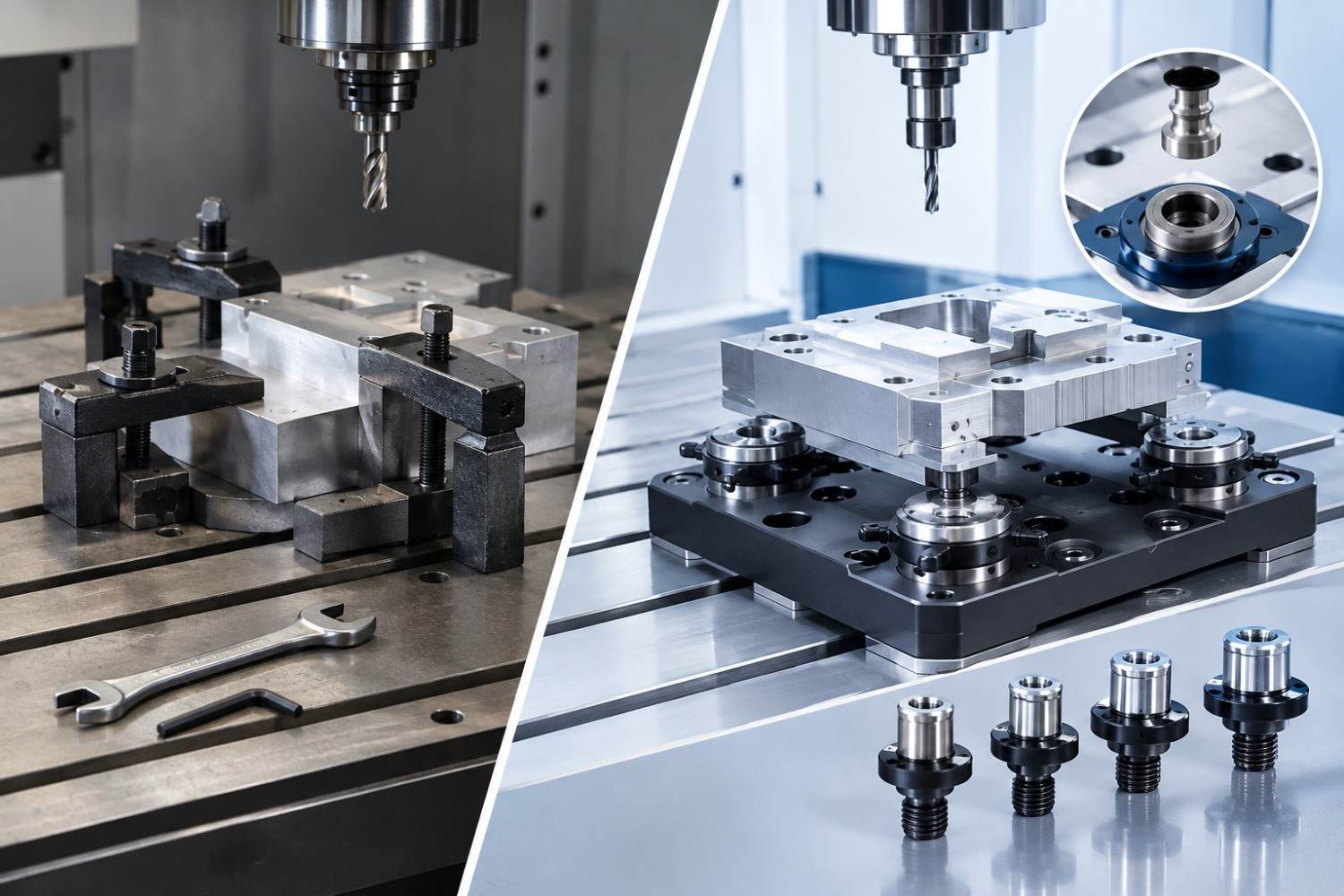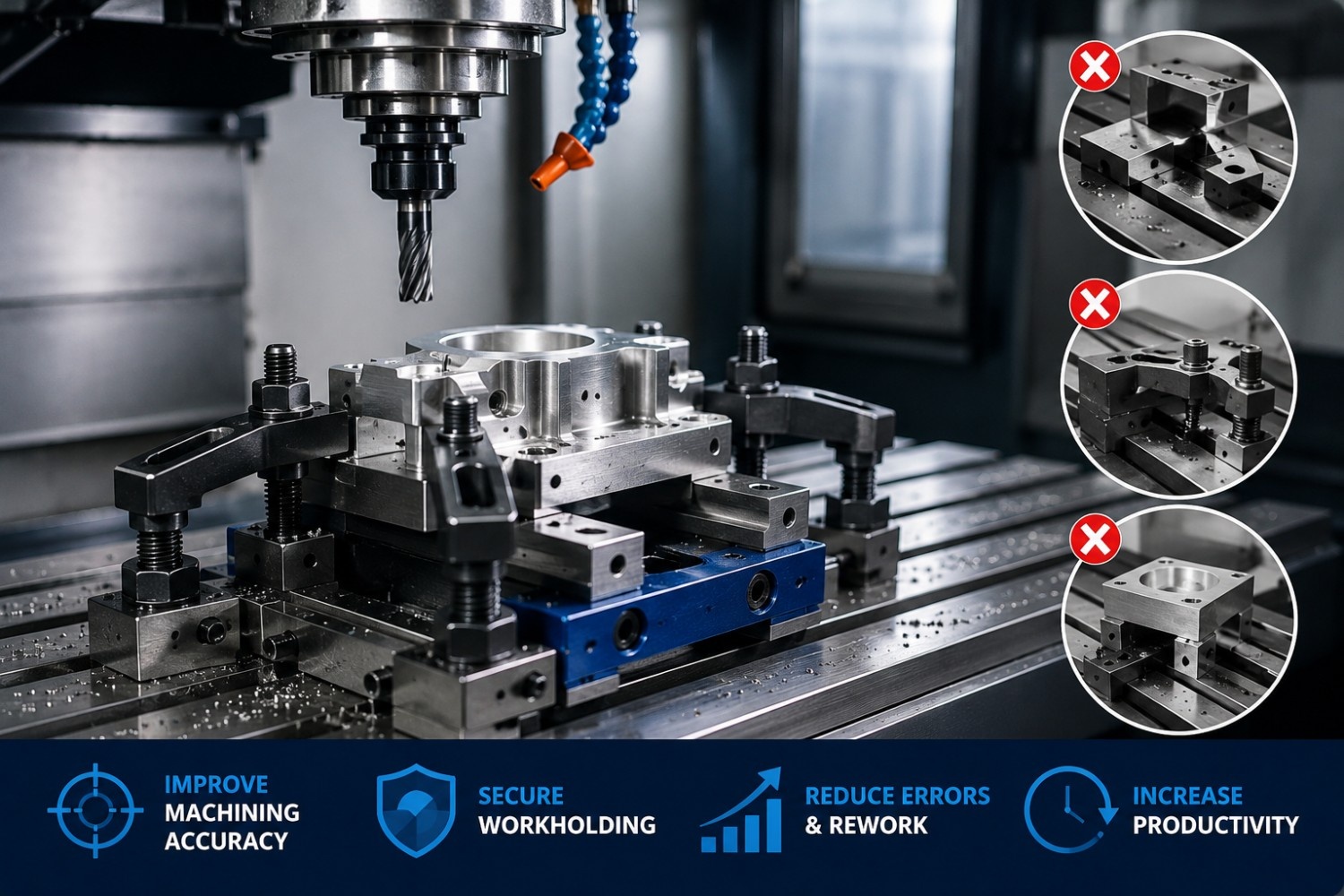
10 Common CNC Clamping Mistakes That Reduce Machining Accuracy
- Home
- /
- 10 Common CNC Clamping Mistakes That Reduce Machining Accuracy
Precision machining is not only about sharp cutting tools or superior CNC machine. It is also essential to ensure effective workholding. Machinists need to pay a lot of attention to how they place and secure components before starting with machining. Take a look at the 10 common mistakes with clamping CNC equipment that can make machining less accurate, and must be avoided at all costs.
Using Excessive Clamping Force
Soft, thin-wall or delicate components can get deformed due to excessive pressure. While that part may seem to be secured firmly, during clamping, it can get bent due to excessive force. Upon releasing the component, it may go back to its normal shape. This can lead to errors in flatness and dimension. It is necessary to use sufficient force, which can prevent movement without compressing the workpiece unnecessarily.
Applying Insufficient Clamping Force
In case of too low clamping force, cutting forces can lead to slipping or shifting of the component during machining. It can lead to:
- Inaccurate dimensions,
- Poor surface finishes,
- Tool damage, or
- A harmful workholding failure
While determining the required clamping pressure, the cutting forces and material must be taken into account.
Choosing Poor Clamp Placement
Clamp positioning affects stability in a big way. If clamps are placed too far from the cutting area, it can create leverage, encouraging movement or vibration. Clamps should ideally be placed in such a way, as to offer proper support. It can keep the workpiece rested firmly against the locating surfaces. These should also be placed in areas that are compatible with the planned machining operations.
Leaving Chips and Debris Under the Part
When a tiny metal chip or piece of dirt is trapped beneath a workpiece or parallel, it can be prevented from being entirely flat. It can lead to inconsistent results with results, improper positioning and rocking. Before a part is loaded, it is necessary to clean the fixture surfaces, parallels, vise and workpiece. For precise seating, a clean setup is important.
Failing to Support the Underside
When cutting forces are applied, thin sections open pockets and unsupported areas can flex. If there is no effective under-part support, the component may deflect during machining. It can lead to dimensional errors or flatness. Vulnerable areas can be stabilized with additional supports, purpose-designed fixtures or risers, without interfering with the cutting process in any way.
Allowing Toolpath Interference
The programmed toolpath must never be obstructed by clamps and fixtures. There can be a collision hazard if a clamp is placed too close to the cutting zone. This can occur when the tool holder, cutter or spindle moves through its programmed path. Before starting production, it is important to review the machine clearances and complete toolpath.
Using Worn Vise Jaws or Fixtures
Rounded, worn or damaged vise jaws may not grip square edges effectively. Such components must be refurbished or replaced when these cannot offer reliable contact anymore.
Ignoring Material Springback
Under clamping pressure, some flexible or softer materials can distort and go back to original form after being released. When the component is distorted and machining is performed, once it is removed, there may be a change in measurements. It is important to understand the behavior of the material, to choose suitable clamping pressure and support strategies.
Distributing Clamping Pressure Unevenly
Components with an irregular shape need careful pressure distribution. If force is applied at just one or two points, it can twist or deform the part. Proper pressure distribution can reduce unwanted distortion, improving stability.
Skipping the Final Inspection Check
Even when everything appears correct, before starting the spindle, machinists should not ignore a final physical check. It can help to ensure proper seating of workpiece, secure supports and tight clamps.
By avoiding all these common CNC clamping mistakes, machining can become more accurate. Workers also need to use protective equipment for a safer overall machining environment.
Explore Our Clamping Elements Products:
Discover our range of Clamping Elements designed for reliable CNC workholding and secure machining operations. Explore Clamping Elements Products
You May Also Like:
CNC Clamping Elements
What Is a Hydraulic Clamping System? A Complete Guide
What Is Zero-Point Clamping and Is It Worth It for Indian Machine Shops?
Table Of Contents
Recent Posts
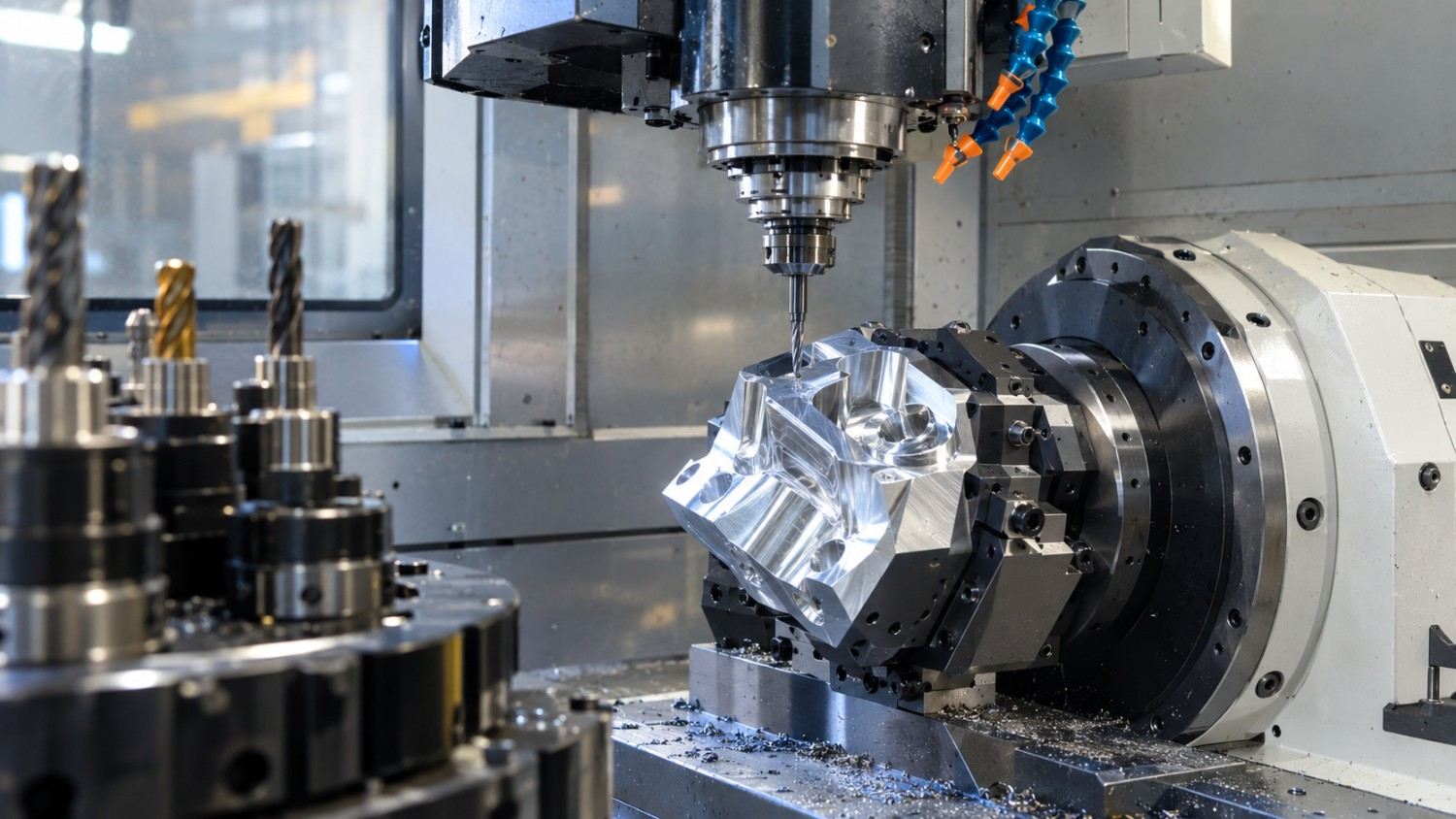
5-Axis CNC Machining: How Advanced Tooling and Workholding Improve Precision?
30 Sep 2026
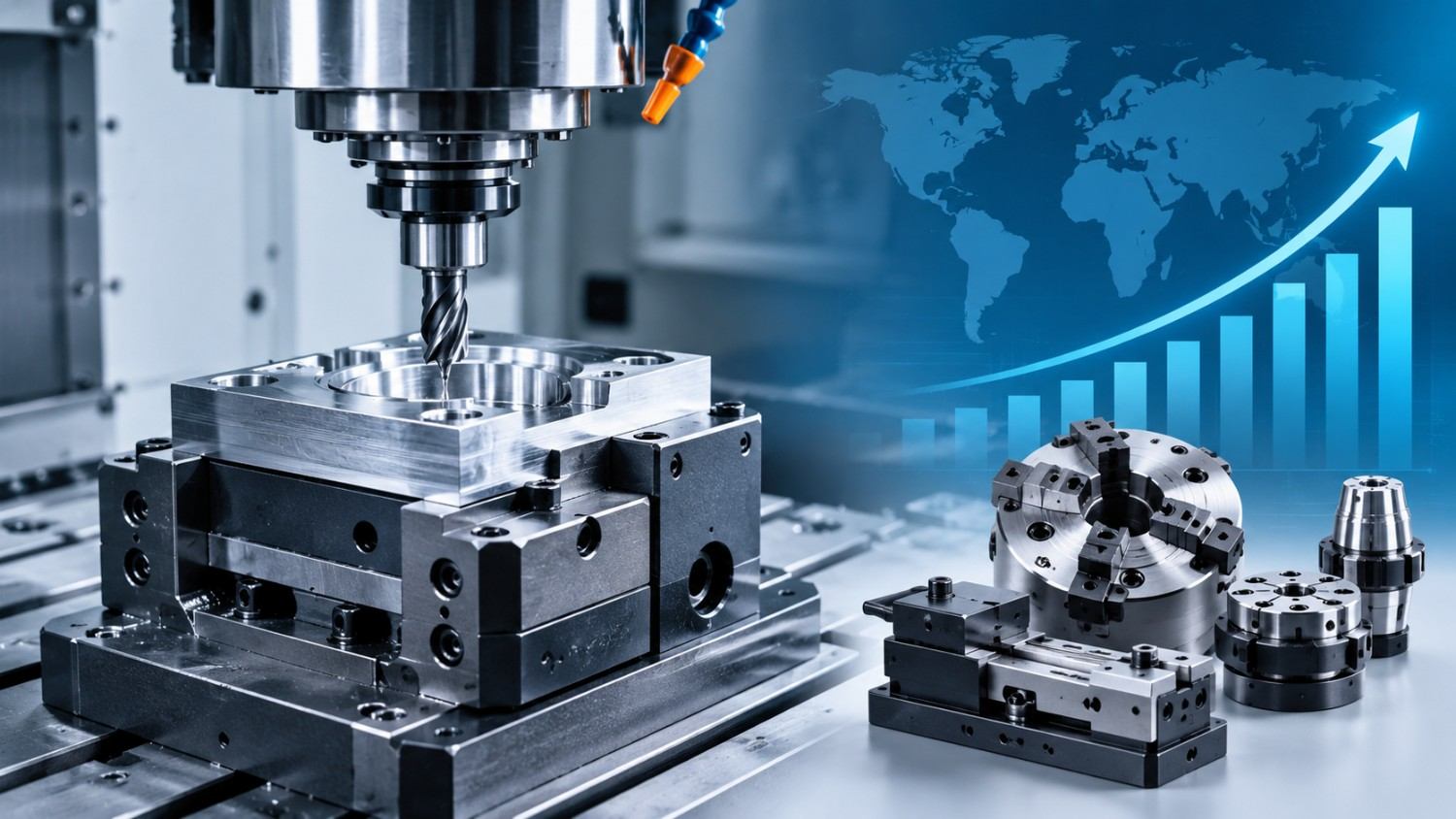
CNC Workholding Systems Market in 2026: Size, Trends & Future Growth
29 Sep 2026
Lights-Out CNC Machining: How Automated Workholding Enables Unattended Production?
28 Sep 2026
5 Reasons Your Fixture Is Not Delivering Consistent Results
17 Sep 2026